Pedagogical Principles series (Curriculum Transformation)

Pedagogical Principles series (Curriculum Transformation)

As part of the Curriculum Transformation initiative, UNSW colleagues are invited to participate in sessions that support redesigning and restructuring our courses and programs across UNSW.

Adjusting to the new calendar presents an ideal opportunity to implement other vital enhancements, such as embedding Universal Design for Learning, Indigenous Knowledges and positive societal impact throughout our curricula.

Supporting the community in this work is a set of Pedagogical Principles, which rearticulate what we value in learning and teaching and provide a clear framework for aligning our educational offerings with UNSW’s new strategic goals.

Upcoming events related to UNSW’s Pedagogical Principles

Please expand the accordions for more info on events, and registration links.

Monthly Nexus UDL Guild Workshops

Come along to a Nexus UDL Guild workshop: A creative, practical session where you’ll apply Universal Design for Learning to your own teaching materials. These hands-on workshops take place every fourth Thursday of the month at 12 - 1:30pm.

  • UNSW's Teaching Commons and online (Hybrid)
  • 12pm - 1:30pm, monthly

Register

Become a member UNSW UDL 3.0 Guild

Questions? Contact the UNSW UDL 3.0 Guild Teams channel
Aligned with UNSW 2025 Strategy • Equity, Diversity & Inclusion Framework

Universal Design for Learning (UDL)
Wednesday 2 September – Thursday 10 September
Teaching Commons (Hybrid) | 45-minute workshops

Join colleagues in the Teaching Commons or online for the Feedback Workshop Sprint—a series of four practical, interactive workshops designed to help you enhance feedback practices in your courses ahead of Term 3.

Together, we'll explore how to write effective feedback, design feedback opportunities throughout a course, build students' feedback literacy, and develop rubrics that support learning with the use of AI. Through short presentations, practical activities and discussion, you'll leave each session with strategies and resources you can immediately apply to your own teaching.

The workshops have been designed as a connected series, with each session building on the previous one. We encourage participants to attend all four workshops to gain the full benefit of the sprint. However, each workshop is also self-contained, so you are welcome to register for individual sessions based on your interests or availability.

Workshop schedule

Workshop 1 – Giving Effective Feedback: Writing feedback students can use 
Wednesday 2 September | 11:00–11:45am

Explore what effective feedback looks like in practice and discover practical strategies for providing constructive, actionable feedback that helps students improve. All aligned with the new UNSW Assessment and Progression Policy.

Workshop 2 – Designing Feedback in Your Course: Where feedback lives and how to make it count
Wednesday 2 September | 1:00–1:45pm

Move beyond written comments and explore how feedback can be intentionally designed before, during and after assessment to support learning across a course.

Workshop 3 – Helping Students Use Feedback: Building student feedback literacy 
Thursday 3 September | 1:00–1:45pm

Discover practical ways to help students understand, interpret and apply feedback through practical, manageable strategies and simple course design approaches.

Workshop 4 – Rubrics that Support Learning: Designing and using rubrics effectively
Thursday 10 September | 1:00–1:45pm

Learn how well-designed rubrics can clarify expectations, support consistent marking and provide meaningful feedback, including practical approaches to rubric design and AI-assisted development.

Register for a workshop

To support Curriculum Transformation process, Professor Terry Cumming and team will be running a series of workshops for educators participating in the “Evaluating inclusive teaching practices in UNSW first-year courses” research study. Drawing on the Inclusive Teaching Guide and principles of Universal Design for Learning (UDL), the workshops will provide educators with practical strategies to support diverse student cohorts and enhance engagement, belonging, and learning outcomes.

Want to host something similar for your faculty, or learn more about the research study? Contact student.equity@unsw.edu.au

Past events: 2026

See below for past event information and recordings from the 2026 series.

Using GenAI Tools for Effective Inclusive Design

Presenters: Mariana Rodriguez, Education Developer

Inclusive, ethical and future-focused teaching

As part of the UNSW UDL Guild Hands-on Workshop series, this 75-minute practical session supports you to build confidence using Generative AI (such as Retrieval Augmented Generation tools or RAGs) to enhance learning and teaching in ways that align with Universal Design for Learning (UDL 3.0) and UNSW’s Pedagogical Principles.

Designed as a collaborative, practice-based workshop, participants will work directly with AI tools to support inclusive design, accessibility and learner agency. Activities focus on applying AI to participants’ own learning contexts, critically evaluating AI-generated outputs and understanding appropriate boundaries, including cultural, Indigenous and societal considerations.

The session models UDL in action and reflects the UDL Guild’s commitment to shared learning, reflective practice and evidence-informed curriculum design.

No prior AI experience required but make sure you have access to your UNSW-ChatGPTedu account.

Thursday 29 January, 12-1:30PM, Hybrid


Monthly Nexus UDL Guild Workshops

This presentation is part of the monthly Nexus workshop series: Learning Without Limits - Hands‑on UDL3 Guild Workshop series.

Come along to a Nexus UDL Guild workshop: A creative, practical session where you’ll apply Universal Design for Learning to your own teaching materials. These hands-on workshops take place every fourth Thursday of the month at 12 - 1:30pm.

  • UNSW's Teaching Commons and online (Hybrid)
  • 12pm - 1:30pm, monthly

Become a member UNSW UDL 3.0 Guild

Questions? Contact the UNSW UDL 3.0 Guild Teams channel
Aligned with UNSW 2025 Strategy • Equity, Diversity & Inclusion Framework

Universal Design for Learning (UDL)

The role of embedding Indigenous Knowledges in curricula

Presenters: A/Prof. Christine Evans, Pro Vice-Chancellor, Indigenous Education and Quinton Vea Vea, Indigenous Cultural & Intellectual Property Manager, DVC Indigenous Division

Indigenous Cultural & Intellectual Property could be considered as a pragmatic tool when trying to incorporate Indigenous Knowledges into curriculum. Furthermore, it would be a useful tool when trying to measure impact through projects related to Indigenous Knowledges. The UNSW is engaging in curriculum renewal as it prepares for flex semesters. A significant component of this process will be supporting the embedding of Indigenous Knowledges. This masterclass will provide opportunities for participating staff to gain insights and skills to support this process.

Thursday 26 February, 12-1:30PM, Hybrid


Monthly Nexus UDL Guild Workshops

This guest presentation is part of the monthly Nexus workshop series: Learning Without Limits - Hands‑on UDL3 Guild Workshop series.

Come along to a Nexus UDL Guild workshop: A creative, practical session where you’ll apply Universal Design for Learning to your own teaching materials. These hands-on workshops take place every fourth Thursday of the month at 12 - 1:30pm.

  • UNSW's Teaching Commons and online (Hybrid)
  • 12pm - 1:30pm, monthly

Become a member UNSW UDL 3.0 Guild

Questions? Contact the UNSW UDL 3.0 Guild Teams channel
Aligned with UNSW 2025 Strategy • Equity, Diversity & Inclusion Framework

Embedding Indigenous Knowledges
Universal Design for Learning (UDL)

It’s All About the Students: Helping Them Connect

Presenters: Mania Alehpour and Renata Zanetti

We believe it is important for students to get to know each other and build meaningful connections. This workshop explores practical strategies to develop a safe learning space, supporting inclusion, and active participation in the classroom. It focuses on helping students connect with each other. We will share ideas that have helped us build engaging classroom communities with safety and inclusion in mind. These strategies have been tested in our own classes and we believe they help students see each other as more than just “someone in the class.” Join us, and let’s learn together.

Thursday 5 March, 12-1PM, Hybrid

Universal Design for Learning (UDL)

Breaking Barriers: Supporting Neurodivergent Students in the Classroom 

Presenters: Drs Rachel Kasturi and Will Scates Frances

Join us for a practical workshop designed to deepen your understanding and strengthen your approach to supporting neurodivergent students in higher education. In the first part, we’ll explore executive functioning as a dimension of learner variability and consider how classroom design can either amplify or reduce executive demands. In the second part, you'll engage in perspective-taking exercises that illuminate how teaching practices can better support neurodivergent leaners across learning contexts. 

Thursday 5 March, 1-2PM, Online

Universal Design for Learning (UDL)

Applying UDL 3.0 to Assessment Design: Rigour, Alignment and Reduced Friction 

Presenters: Dr Geraldine Townend and team

Assessment is where equity commitments are either realised or undermined. This workshop supports educators to apply UDL Guidelines 3.0 to existing assessment tasks in ways that maintain academic standards while reducing avoidable student complaints and participation barriers.

Participants will bring one current assessment task and work through a structured design process grounded in constructive alignment and UNSW’s learner-centred pedagogical framework. Using UDL 3.0, we will examine how assessment criteria, participation expectations and modes of expression may inadvertently privilege particular identities, communication norms or executive functioning capacities.

The session provides a practical, reusable audit tool to refine assessment clarity, strengthen alignment with Intended Learning Outcomes and expand legitimate ways of demonstrating achievement without diluting AQF-level rigour. The focus is on transparent design, equitable standards and defensible assessment architecture that supports both academic excellence and student wellbeing.

Thursday 26 March, 1-2PM, Hybrid

View recording and resources


Monthly Nexus UDL Guild Workshops

This presentation is part of the monthly Nexus workshop series: Learning Without Limits - Hands‑on UDL3 Guild Workshop series.

Come along to a Nexus UDL Guild workshop: A creative, practical session where you’ll apply Universal Design for Learning to your own teaching materials. These hands-on workshops take place every fourth Thursday of the month at 12 - 1:30pm.

  • UNSW's Teaching Commons and online (Hybrid)
  • 12pm - 1:30pm, monthly

Become a member UNSW UDL 3.0 Guild

Questions? Contact the UNSW UDL 3.0 Guild Teams channel
Aligned with UNSW 2025 Strategy • Equity, Diversity & Inclusion Framework

Universal Design for Learning (UDL)

Embedding Neuroinclusion in Curriculum Transformation

Presenter: Emily Chandler and Aaron Saint-James

This session showcases a practical, evidence-informed approach to designing neuroinclusive course resources. We begin with an overview of a neuroinclusive audit of Student Essentials onboarding lessons, undertaken using Universal Design for Learning (UDL 3.0), WCAG 2.1 and Trauma‑Informed Practice. The audit uncovers barriers and opportunities across content structure, cognitive load, accessibility, tone and learner agency. The session then shifts from audit to action, demonstrating how these findings were translated into a targeted neuroinclusive uplift aligned with the Pedagogical Principles underpinning the Curriculum Transformation initiative. Focusing on Pedagogical Principle 1 (Universal Design for Learning) and Principle 2 (Prioritising cultural and emotional dimensions of learning), we explore concrete design decisions at the course resource level, including navigation, language, choice, and scaffolding.  Attendees will leave with practical strategies for embedding neuroinclusion into everyday resource design and for operationalising Pedagogical Principles 1 and 2 in meaningful, learner‑centred ways.

Thursday 16 April, 1-2PM, Hybrid

View recording


Dr Emily Chandler is an Educational Designer in the Curriculum & Educational Design team within the PVCE Educational Excellence portfolio at UNSW Sydney. She is passionate about translating pedagogical principles into inclusive, practical learning designs that enable all students to thrive.

Aaron Saint-James is a researcher and advocate in the field of neuro-inclusive education, with a focus on neurodiversity, accessibility, and educational equity. He works as a Research Officer and Accessibility Consultant. Aaron is also the co-founder of the Diversified Project, an initiative aimed at supporting neurodivergent students and staff through innovative resources and inclusive practices in higher education.

The UDL 3.0 Minimum: Designing a Moodle Site for Clarity, Access and Usability

Presenters: Nexus and non-Nexus EdDevs

A Moodle site does not need to be complex to align with UDL 3.0 but it must be intentionally designed. This workshop outlines the minimum viable design features required for a Moodle site to support learner agency, reduce cognitive friction and uphold academic rigour. Grounded in UDL 3.0 and effective user experience (UX) principles, the session focuses on clear instructional architecture, predictable navigation and transparent assessment communication as foundational inclusion practices.

Participants will examine how layout consistency, explicit weekly purpose statements, assessment clarity, structured headings, accessible file formats and streamlined navigation support multiple means of representation and executive function. The workshop emphasises that accessibility is not an add-on but a design baseline: students should be able to locate key information within two clicks, understand what is expected of them without inference and navigate content without unnecessary duplication or visual overload.

Importantly, the session acknowledges that “minimum standard” design will vary across educational contexts. A postgraduate capstone, a large first-year gateway course and a fully online professional program will require different levels of scaffolding, interaction and multimodal support. The focus is therefore not on aesthetic uniformity, but on design coherence: ensuring that the Moodle environment aligns with course learning outcomes, assessment architecture and the needs of the specific cohort.

Aligned with UNSW’s learner-centred framework, this workshop provides a practical audit checklist to evaluate whether a Moodle site is usable, accessible and instructionally clear — and where refinements can meaningfully reduce confusion, complaints and unnecessary barriers without increasing workload.

Thursday 30 April, 12-1:30PM, Hybrid

View recording


Monthly Nexus UDL Guild Workshops

This presentation is part of the monthly Nexus workshop series: Learning Without Limits - Hands‑on UDL3 Guild Workshop series.

Come along to a Nexus UDL Guild workshop: A creative, practical session where you’ll apply Universal Design for Learning to your own teaching materials. These hands-on workshops take place every fourth Thursday of the month at 12 - 1:30pm.

  • UNSW's Teaching Commons and online (Hybrid)
  • 12pm - 1:30pm, monthly

Become a member UNSW UDL 3.0 Guild

Questions? Contact the UNSW UDL 3.0 Guild Teams channel
Aligned with UNSW 2025 Strategy • Equity, Diversity & Inclusion Framework

Universal Design for Learning (UDL)

Award-winning First Year Experience documentary screening

Presenter: Prof. Richard Buckland

The UDL Guild is very excited to announce for our May Workshop we will be having an EXCLUSIVE screening of an award-winning documentary film about the first-year experience – made at by UNSW community for UNSW community.

Thursday 28 May, 12-2PM, Hybrid


Monthly Nexus UDL Guild Workshops

This presentation is part of the monthly Nexus workshop series: Learning Without Limits - Hands‑on UDL3 Guild Workshop series.

Come along to a Nexus UDL Guild workshop: A creative, practical session where you’ll apply Universal Design for Learning to your own teaching materials. These hands-on workshops take place every fourth Thursday of the month at 12 - 1:30pm.

  • UNSW's Teaching Commons and online (Hybrid)
  • 12pm - 1:30pm, monthly

Become a member UNSW UDL 3.0 Guild

Questions? Contact the UNSW UDL 3.0 Guild Teams channel
Aligned with UNSW 2025 Strategy • Equity, Diversity & Inclusion Framework

Universal Design for Learning (UDL)

Group projects

Presenter: Drs Tom Dixon and Rachel Kasturi 

Thursday 25 June, 12-1.30PM, Hybrid

As UNSW's Progress for All strategy prompts a (re)focus into a more equitable and cross-cultural means of education, it is a useful time to re-examine existing pedagogies and consider how they might be made more universal. In many cases, group work remains a 'tough nut to crack'; vital from an employability perspective, but occasionally contentious amongst the student body and undoubtably preferencing some ways of working over others.  

In this workshop, participants will use UDL 3.0 principles to explore different ways of designing group work and group-based assessments. We will look at ways of supporting students from different academic and cultural contexts to work collaboratively, and help participants examine what’s genuinely needed to meet your Intended Learning Outcomes – and what design choices can accidentally shut some students out or unfairly penalize them. We'll share in advance a flow-chart for scaffolding group interaction; what means of communication work best in your context, and why?  

Importantly, we'll also be practicing what we preach! Group activities in the workshop will be constructed as examples of group collaboration. Participants will leave with new ideas for group projects and a fresh experience on peer interaction.  

View recording
 

Monthly Nexus UDL Guild Workshops

Come along to a Nexus UDL Guild workshop: A creative, practical session where you’ll apply Universal Design for Learning to your own teaching materials. These hands-on workshops take place every fourth Thursday of the month at 12 - 1:30pm.

  • UNSW's Teaching Commons and online (Hybrid)
  • 12pm - 1:30pm, monthly

Become a member UNSW UDL 3.0 Guild

Questions? Contact the UNSW UDL 3.0 Guild Teams channel
Aligned with UNSW 2025 Strategy • Equity, Diversity & Inclusion Framework

Universal Design for Learning (UDL)

Who are we when we teach?  

Reflecting on how we teach, what we value and how students experience learning.  

Presenters: Geraldine Townend and Mariana Rodriguez

Thursday 23 July, 12-1.30PM, Hybrid

The Learning without Limits UDL Guild workshops support UNSW’s curriculum transformation by helping educators translate Principle 1: Universal Design for Learning, Principle 3: Societal impact through education and Principle 7: learner-centred, contextualised and connected education into practical course design decisions. The workshops are grounded in UNSW’s commitment to inclusive, impactful and future-focused education, with UDL as a foundation for designing learning that is flexible, connected and accessible.  

This month, we will be focusing in the use of positionality activities that help educators examine the assumptions, disciplinary norms and cultural standpoints shaping their teaching. These activities support staff to notice where design may unintentionally limit belonging, student agency, participation or relevance. You will make one realistic redesign move that strengthens inclusion without reducing academic rigour.  

Rather than positioning UDL as an add-on, the workshops frame it as a practical way to make curriculum more responsive to students and more connected to real-world and disciplinary purpose. Participants leave with a concrete improvement they can test in their own context, supported by a shared language for inclusive and connected curriculum design. 

View recording
 

Monthly Nexus UDL Guild Workshops

Come along to a Nexus UDL Guild workshop: A creative, practical session where you’ll apply Universal Design for Learning to your own teaching materials. These hands-on workshops take place every fourth Thursday of the month at 12 - 1:30pm.

  • UNSW's Teaching Commons and online (Hybrid)
  • 12pm - 1:30pm, monthly

Become a member UNSW UDL 3.0 Guild

Questions? Contact the UNSW UDL 3.0 Guild Teams channel
Aligned with UNSW 2025 Strategy • Equity, Diversity & Inclusion Framework

Universal Design for Learning (UDL)

Have you developed a curriculum and course design innovation that others could learn from?

Please join us for a collaborative session hosted by the Course Design & Development (CDD) EF Community of Practice (CoP), to explore how your work could inspire the UNSW community working on Curriculum Transformation!

This session will provide practical guidance for anyone interested in presenting as part of the Curriculum Transformation series, hosted at the Teaching Commons, from Term 3 onwards.

Dr Emily Chandler (PVCE Curriculum and Educational Design) will share insights into how to effectively showcase educational design innovations, including how to align your work with UNSW's Pedagogical Principles and present it as a transferable exemplar that colleagues across disciplines can adapt for their own contexts.

We'll also hear some short presentations from fellow CoP members showcasing their curriculum design innovations, followed by a collaborative discussion on how innovative practices can be translated into adaptable approaches that support adoption across disciplines.

Meeting participants will help shape the beginnings of a CDD CoP repository of curriculum design exemplars for academic and professional staff across UNSW. Whether or not you have the capacity to deliver a full Curriculum Transformation presentation, this is a low-effort, high-impact opportunity to contribute to educational innovation and share your expertise with colleagues across the university.


Tuesday 18 August, 10-11AM
Hybrid delivery (Teaching Commons & Online)

View recording

The role of the Intellectual Property Tool in embedding Indigenous Knowledges in curricula  

Presenters: PVCIE Christine Evans and Quinton Vea 

Thursday 27 August, 12pm - 1:30pm, hybrid

This session explores recent work on Indigenous Cultural and Intellectual Property (ICIP) and its implications for curriculum transformation in higher education. The discussion will consider how Indigenous knowledges, perspectives and protocols can be meaningfully embedded in curriculum design and teaching practice, with a focus on Pedagogical Principle 4 at UNSW.

Participants will engage with practical approaches for strengthening Indigenous Capabilities through inclusive, relational and culturally responsive learning experiences. The session will invite reflection on how curriculum transformation can support equity, student engagement and respectful engagement with Indigenous knowledges across disciplines.


Monthly Nexus UDL Guild Workshops

Come along to a Nexus UDL Guild workshop: A creative, practical session where you’ll apply Universal Design for Learning to your own teaching materials. These hands-on workshops take place every fourth Thursday of the month at 12 - 1:30pm.

  • UNSW's Teaching Commons and online (Hybrid)
  • 12pm - 1:30pm, monthly

Become a member UNSW UDL 3.0 Guild

Questions? Contact the UNSW UDL 3.0 Guild Teams channel
Aligned with UNSW 2025 Strategy • Equity, Diversity & Inclusion Framework

Universal Design for Learning (UDL)

Past events: 2025

See below for past event information and recordings, as part of the 2025 Inclusive teaching series.

Getting Started With Inclusive Teaching

Presented by A/Prof. Melanie White (ADA), A/ Prof. Michele Madigan (Medicine & Health) & Lucy Jellema (PVCE)

A/Prof. Melanie White (UNSW ADA), A/ Prof. Michele Madigan (UNSW Medicine & Health) and Lucy Jellema (Educational Developer, UNSW Equity) explore how inclusive teaching benefits educators and delve into strategies that have the biggest impact for the lowest time commitment. They introduce various teaching strategies and reflect upon how educators could implement them in their courses or individual lessons.


Speakers
A/Prof. Melanie White headshot

A/Prof. Melanie White is an award-winning teacher who specialises in strategies to inspire students and support active learning in large classroom settings. She teaches in the Sociology program for the School of Social Sciences in the Faculty of Arts, Design and Architecture.


Michele Madigan

A/ Prof. Michele Madigan is a research-education academic in Optometry and Vision Science (SOVS). Michele is actively involved in education across areas including human eye anatomy and diseases, eye development and aging. Michele is passionate about small group teaching and providing interactive, enjoyable, and comfortable in-person opportunities for students to ask questions and learn all about eyes - drawings, puns and stories are a key focus in class. Michele has been the Academic Advisor in SOVS for many years, part of the FMH Education Academy, and an (unofficial) advocate for encouraging more kindness in our education and research activities at all levels. 


Lucy Jellema headshot

Lucy Jellema is the Educational Developer, Equity in the PVCE division. She has a background in teaching and developing professional learning across a range of educational and corporate settings. Lucy completed her Master's in Inclusive Education at UNSW and has a passion for accessibility and inclusion within all levels of education. She loves opportunities to support professionals to develop their teaching pedagogy and presentation skills to maximise engagement and retention. She is a member of the Start@Uni project, Diversify and TED COP to engage with the wider UNSW community. Her key purpose is to make positive and meaningful changes to both teaching staff and students at UNSW.

 Next Steps for Inclusive Teaching

Presented by A/Prof. Rebecca LeBard (Science), Dr Ramesh Walpola (Medicine & Health) & Lucy Jellema (PVCE)

Rebecca LeBard (Associate Dean and Associate Professor in Science), Ramesh Walpola (Academic Lead in Medicine and Health), and Lucy Jellema (Educational Developer, UNSW Equity) share expertise and new strategies and reflect upon how you could implement them in your course or in individual lessons. A range of teaching strategies are explored so all teaching staff (including sessional and casual staff) can benefit from this session.

This workshop is aimed at teaching staff with some experience in inclusive teaching.


Speakers
A/Prof. Rebecca LeBard headshot

A/Prof. Rebecca LeBard is an Associate Professor in the School of Biotechnology and Biomolecular Sciences and Associate Dean Education, innovation and student experience for the Faculty of Science at UNSW. She also holds a MEd (higher education) from UNSW, and teaches undergraduate courses in the Faculty of Science and the medical program. Rebecca is a Senior Fellow of Advance HE (formerly the Higher Education Academy UK). She was awarded the UNSW Vice Chancellor’s Award for Teaching Excellence in 2015, and a citation for contributions to student learning in the Australian University Teaching Awards, 2016, recognising her teaching excellence.
 

Dr Ramesh Walpola headshot

Dr Ramesh Walpola is a pharmacist, certified health manager (CHM) and the Pharmacy Academic Lead & Program Authority in the School of Health Sciences. His main area of research expertise and interest is in patient and medication safety, particularly examining the social determinants of safe practices. Ramesh completed his PhD at The University of Sydney in 2016, which focused on the development of educational interventions to enhance generational change in patient safety practices in the pharmacy setting. Ramesh joined UNSW in 2019, originally teaching health leadership and management in the School of Population Health. Ramesh currently leads the implementation of the new pharmacy program in the School of Health Sciences, as part of the suite of new health professional programs launched in 2023. 


Lucy Jellema headshot

Lucy Jellema is the Educational Developer, Equity in the PVCE division. She has a background in teaching and developing professional learning across a range of educational and corporate settings. Lucy completed her Master's in Inclusive Education at UNSW and has a passion for accessibility and inclusion within all levels of education. She loves opportunities to support professionals to develop their teaching pedagogy and presentation skills to maximise engagement and retention. She is a member of the Start@Uni project, Diversify and TED COP to engage with the wider UNSW community. Her key purpose is to make positive and meaningful changes to both teaching staff and students at UNSW.

Advanced Inclusive Teaching Practices

Presented by Prof. Terry Cumming (ADA), Ms Katrina Blazek (Medicine & Health) & Lucy Jellema (PVCE)

Terry Cumming (Deputy Head of School and Professor in ADA), Katrina Blazek (Lecturer in Medicine and Health) and Lucy Jellema share expertise, new strategies and how you can implement inclusive teaching within your course or individual lessons. A range of teaching strategies are explored to benefit all teaching staff (including sessional and casual staff) from this session.

This workshop is aimed at teaching staff with considerable experience in inclusive teaching.


Speakers
Prof. Terry Cumming headshot

Prof. Terry Cumming is a Professor of Special Education and Deputy Head of School Learning and Teaching in the School of Education. Her teaching and research are focused on improving the lives of neurodiverse people, especially in the area of access to education. Current research areas include Universal Design for Learning, school connectedness, and wraparound systems of support. She is the Academic Lead Education of the UNSW Disability Innovation Institute, a Scientia Education Academy Fellow, and a co-founder of Diversified.


Katrina Blazek headshot

Katrina Blazek is a Lecturer in Health Data Science, dedicated to fostering a student-centred learning environment in biostatistics courses in the School of Population Health. She recognises that students have unique needs and learning styles and tailors her instruction to accommodate diverse learning approaches. Whether teaching in traditional face-to-face settings, synchronous online classrooms, or asynchronous online modules, Katrina consistently creates equitable learning opportunities that meet students where they are at. Her commitment to sustainable teaching practices ensures that her instruction not only imparts knowledge but also cultivates lasting problem-solving skills and a deep understanding of biostatistics.


Lucy Jellema headshot

Lucy Jellema is the Educational Developer, Equity in the PVCE division. She has a background in teaching and developing professional learning across a range of educational and corporate settings. Lucy completed her Master's in Inclusive Education at UNSW and has a passion for accessibility and inclusion within all levels of education. She loves opportunities to support professionals to develop their teaching pedagogy and presentation skills to maximise engagement and retention. She is a member of the Start@Uni project, Diversify and TED COP to engage with the wider UNSW community. Her key purpose is to make positive and meaningful changes to both teaching staff and students at UNSW.

The Essay is Dead, Long Live the Essay: Accessible Course Design in the Age of AI

Presented by James Bedford (Academic Skills) & Will Scates Frances (Academic Skills)

Speakers
James Bedford Headshot Image

James Bedford is an Academic Learning Facilitator at the University of New South Wales. He specialises in course design and assessment and uses a constructivist approach to learning and teaching. He is currently investigating ways to respond to generative AI in higher education. He was a recipient of an Australian Post-graduate Award, Research Excellence Award, and a University Medal. In addition, he was a visiting doctoral student at the Oxford Centre for Life-Writing. He was awarded a PhD in Creative Writing at the University of New South Wales in 2019 and has been published in various journals.


Will Scates Frances headshot

Will Scates Frances is a historian, educational designer and academic learning facilitator at UNSW. His interests range from eschatology to neurodiversity and you can find him around campus delivering writing workshops, facilitating tutorials, gesticulating lectures or engrossed in a coffee overlooking the library lawn.

Awkward Pedagogy: The Benefits of Transparent Teaching


Presented by James Bedford (Academic Skills) & Will Scates Frances (Academic Skills)

How can you make students understand your choices in teaching? Tell them! This is the second workshop hosted by James Bedford and William Scates Frances from Academic Skills. They explain how the use of transparency in teaching and learning enhances student engagement and success. Gain useful insights, learn practical strategies and be inspired by this incredible teaching duo!


Speakers
James Bedford Headshot Image

James Bedford is an Academic Learning Facilitator at the University of New South Wales. He specialises in course design and assessment and uses a constructivist approach to learning and teaching. He is currently investigating ways to respond to generative AI in higher education. He was a recipient of an Australian Post-graduate Award, Research Excellence Award, and a University Medal. In addition, he was a visiting doctoral student at the Oxford Centre for Life-Writing. He was awarded a PhD in Creative Writing at the University of New South Wales in 2019 and has been published in various journals.


Will Scates Frances headshot

Will Scates Frances is a historian, educational designer and academic learning facilitator at UNSW. His interests range from eschatology to neurodiversity and you can find him around campus delivering writing workshops, facilitating tutorials, gesticulating lectures or engrossed in a coffee overlooking the library lawn.

Learning About Specific Cohorts

Presented by Kate Churchyard (PVCE), Dominic Fitzsimmons (PVCE), Dr Parisa Glass (Medicine & Health), Lucy Jellema (PVCE), James Perez (ADA) & Julia Wang (PVCSS)

This unique workshop provides staff with a ‘taster’ to learn about some of the under-recognised student cohorts at UNSW.
Each cohort will have a short presentation with an overview, support considerations and ways you can learn more or connect with associated communities.

The cohorts include:

  • Pasifika students (James Perez)
  • Refugee students and forced migration (Dr Parisa Glass)
  • Rural and remote students (Kate Churchyard)
  • Students with an undiagnosed disability (Lucy Jellema)
  • Students as carers (Dominic Fitzsimmons)
  • Under 18 Cohort (Julia Wang)

https://youtu.be/P0wvl_uLU30?si=0J-dHMWC-iCW9tvW 


Speakers
James Perez headshot

James Perez (he/him) is an Equity Practitioner and works in Student Experience in Arts, Design & Architecture. James has a background providing culturally responsive mentoring programs & delivering online learning experiences in Higher Education. James completed a degree in Education & Pacific studies and has helped to launch a non-for-profit organisation ‘Australian Pasifika Educators Network’ comprising of teachers, university academic and professional staff dedicated to advancing the educational experiences, opportunities and outcomes for Pasifika learners and communities. 


Dr Parisa Glass headshot

Dr Parisa Glass has a PhD, an MBA, and over twenty years of experience across healthcare, medical research, and higher education. Over the course of her professional career, she has designed several collaborative programs and has built multidisciplinary teams to deliver impactful projects in medical research. Lean more about Parisa here.


Kate Churchyard headshot

Kate Churchyard is the Senior Equity Engagement Officer in the division of Education and Student Experience. She has worked in the equity space in both the UK and in Sydney for the past 5 years. At UNSW, she manages the transition and ongoing support program, Start@UNSW, for students from low socioeconomic backgrounds and students from rural and regional areas. The program offers peer-to-peer mentoring and wellbeing check-in calls to support the development of a sense of belonging and community. It also provides students with links to academic support.


Lucy Jellema headshot

Lucy Jellema is the Educational Developer, Equity in the PVCE division. She has a background in teaching and developing professional learning across a range of educational and corporate settings. Lucy completed her Master's in Inclusive Education at UNSW and has a passion for accessibility and inclusion within all levels of education. She loves opportunities to support professionals to develop their teaching pedagogy and presentation skills to maximise engagement and retention. She is a member of the Start@Uni project, SX Assessment Working Groups, Diversified and TED COP to engage with the wider UNSW community. Her key purpose is to make positive and meaningful changes to both teaching staff and students at UNSW.


Julia Wang headshot

Julia Wang is the Under 18 Student Coordinator in the UNSW International Student Compliance team. She has been working in UNSW and UNSW College for the past five years, mainly with underage students. Her experience in both teaching and student counselling allows her to understand the concerns of young people and develop effective tools to connect with and support them. The joy of her job is to help students take on new challenges in life and see them grow into responsible young adults. At home, her many hobbies include movies, music, reading, gardening and sewing. Mountains are her retreat when she could be away from the city, as she enjoys the serenity and feeling insignificant in the face of marvellous natural wonders. 


Dominic Fitzsimmons headshot

Dominic Fitzsimmons

Supporting First Year Cohorts

Presented by Dr Thomas Dixon (Science) & Dr Kate Jackson (Science)

Join Dr Thomas Dixon and Dr Kate Jackson (School of Physics) for a lightning workshop on supporting first year cohorts. You will learn some new strategies and engage in activities and discussions. Although the content is focused on supporting first-year undergraduate students, many strategies benefit all students. 


Speakers
Dr Thomas Dixon headshot

Dr Thomas Dixon is an Associate Lecturer (Education Focused) in the School of Physics, working primarily on laboratory education. Thomas runs the first-year physics teaching laboratory, and is responsible for the design of experiments and management/training of laboratory teaching staff.


Dr Kate Jackson headshot

Dr Kate Jackson is an Education Focused Senior Lecturer, the Outreach Coordinator, and the First Year Director in the School of Physics. She is also a Senior Fellow of Advance HE (SFHEA). Kate is actively involved in initiatives to improve the student experience in first-year physics. Her research focuses on student motivation and equity in learning.

Fostering Growth: Feedback Literacy for Students and Educators

Presented by Rita Prestigiacomo (Engineering) & Lucy Jellema (PVCE)
 

Join Rita Prestigiacomo and Lucy Jellema for a hands-on workshop on feedback literacy. You will learn about the essential elements of feedback that improve teaching and learning. Feedback literacy supports the development of the skills required to engage with and apply feedback to support improvement for both students and staff. Engagement with feedback is one of the most impactful ways to improve learning. Rita will share how the Nexus Engineering team have explored feedback literacy and how it could be used to improve teaching practice and supplement MyExperience.


Speakers
Dr Rita Prestigiacomo headshot

Dr Rita Prestigiacomo is a Lecturer (Nexus Fellow) at the Graduate School of Biomedical Engineering, where she previously worked as an academic developer and a post-doctoral fellow. With a PhD in Education from the University of Sydney, she brings a rich background in teaching. Dr. Prestigiacomo areas of expertise include curriculum development, reflective teaching practices, student engagement, group work and co-design work. She currently leads a Nexus faculty-based engineering education project to both enhance student’s agency in providing feedback and improve teachers’ feedback literacy.


Lucy Jellema headshot

Lucy Jellema is the Educational Developer, Equity in the PVCE division. She has a background in teaching and developing professional learning across a range of educational and corporate settings. Lucy completed her Master's in Inclusive Education at UNSW and has a passion for accessibility and inclusion within all levels of education. She loves opportunities to support professionals to develop their teaching pedagogy and presentation skills to maximise engagement and retention. She is a member of the Start@Uni project, SX Assessment Working Groups, Diversified and TED COP to engage with the wider UNSW community. Her key purpose is to make positive and meaningful changes to both teaching staff and students at UNSW.

Convincing Students of the Benefits of Group Assessments

Presented by Dr. James Bedford (UNSW College) & Dr. Will Scates Frances (Academic Skills)

Transform the way your students view group assessments! Join fellow educators William Scates Frances and James Bedford at UNSW for an engaging workshop that will equip you with practical strategies to demonstrate the value of collaborative learning. Learn how to effectively address student resistance, implement fair assessment methods, and create meaningful group experiences that reflect real-world professional demands. Through interactive discussions and evidence-based approaches, you'll discover how to turn skeptical students into enthusiastic team players. Don't miss this opportunity to enhance your teaching toolkit and boost student engagement in group work. Perfect for all university educators looking to make group assessments more effective.

Speakers
James Bedford Headshot Image

James Bedford is an award-winning writer and educator with a PhD in Creative Writing from UNSW. A Senior Fellow of the Higher Education Academy, he has received multiple teaching and research awards. His work spans creative fiction and educational scholarship, with expertise in AI and education. He was a visiting scholar at Oxford's Centre for Life-Writing and is a member of Oxford's AI in Education research hub (AIEOU). Currently, he serves as an Education Specialist in AI at UNSW College.


Will Scates Frances headshot

Dr. Will Scates Frances is a historian, educational designer and academic learning facilitator at UNSW. His interests range from eschatology to neurodiversity and you can find him around campus delivering writing workshops, facilitating tutorials, gesticulating lectures or engrossed in a coffee overlooking the library lawn.

Equitable Learning Plans 101: Demystifying Reasonable Adjustments in Teaching


Presented by Dr. Rachel Kasturi (ELS), Shelley Odewahn (ELS) & Noam Peleg (Law & Justice)

With increasing workloads and competing demands, academics often find managing Equitable Learning Plans (ELPs) and implementing reasonable adjustments challenging, especially when they are new to teaching at UNSW. This workshop is designed to provide practical strategies to streamline the ELP process, ensuring compliance with legislative obligations. It covers everything from navigating administrative workflows to adapting teaching practices. Real world examples will illustrate common scenarios and provide actionable solutions to integrate adjustments effectively and efficiently.

Speakers
Rachel Kasturi headshot

Rachel Kasturi is an equitable learning facilitator who specializes in supporting students with cognitive and linguistic variations that impact communication and learning. Rachel is passionate about helping academics and professional staff adopt the Universal Design for Learning framework, which breaks down barriers for diverse learners and improves student satisfaction and retention.


Noam Peleg Headshot


Noam Peleg is an Associate Professor and Director – Equity, Diversity and Inclusion at the Faculty of Law and Justice. Noam works in international children’s rights law, human rights law, childhood studies, and family law. His latest research has focused on questions of identity formation and development of children, especially LGBTQI+ children, building on an extensive body of work concerning the right to development of children in international law. He is a member of the editorial board of the International Journal of Children’s Rights and the Journal’s Book Review Editor. He was Visiting Professor at Columbia Law School and Leiden Law School. Noam is a board member and a trainer at the Diplomacy Training Program (DTP), an NGO committed to advancing human rights and empowering civil society in the Asia-Pacific region. Before moving to academia, Noam practiced law in several human rights NGOs.


Shelley Odewahn is Equitable Learning Facilitator with 25 years of experience supporting students’ wellbeing in higher education. Shelley specialises in working with students from diverse backgrounds with an experience of complex trauma, mental health concerns and gendered violence. She is a passionate advocate for equity and justice in education. 

Inclusive Reboot: Redesigning Courses with UDL 3.0

Presented by Karen Kriss, Aves Parsemain, Aaron Saint James

This workshop provides a refresher on Universal Design for Learning (UDL) and introduces you to the latest advancements in the UDL 3.0 framework released in July 2024. Through engaging discussions and practical examples, you will explore the latest updates and enhancements and learn how to implement UDL strategies that address the diverse needs of your students. Whether you're looking for easy techniques to apply to your course immediately or more advanced strategies for course redesign, this workshop will equip you with essential tools and knowledge to create more inclusive and effective teaching environments.

Diversified Inclusive Teaching Toolkit

Presented by the UNSW Diversified team

Diversified launched a new comprehensive toolkit aimed at equipping educators with the tools and insights needed to create truly inclusive learning environments. Checklists and videos guide educators through the process of creating inclusive learning environments and help teaching staff better understand the student experience. The resources were developed in collaboration with UNSW staff and reflect the Progress for All strategic principles.

Be among the first to access the new resources, connect with the Diversified team and learn more about inclusive education. A panel of experts discussed the resources on the day. 

Not from UNSW?  

That’s great! All members of the teaching community are encouraged to use the Inclusive Teaching Toolkit whether from UNSW or other learning institutions. 

Inclusive Reboot: Redesigning Courses with UDL 3.0

Presented by Karen Kriss, Aves Parsemain, Aaron Saint-James

This workshop provides a refresher on Universal Design for Learning (UDL) and introduces you to the latest advancements in the UDL 3.0 framework released in July 2024. Through engaging discussions and practical examples, you will explore the latest updates and enhancements and learn how to implement UDL strategies that address the diverse needs of your students. Whether you're looking for easy techniques to apply to your course immediately or more advanced strategies for course redesign, this workshop will equip you with essential tools and knowledge to create more inclusive and effective teaching environments.

Efficient ELP Accommodations: How we made our Lab Learning more inclusive

Presented by Dr Thomas Dixon (Science) & Dr Kate Jackson (Science)


Join Kate and Tom for a workshop on efficient ELP accommodations. We'll go over tools based on the social theory of disability that you can use to remove disabling factors in your teaching practice, outline the evolution of our own project on inclusive laboratory education, and explain our process for liaising with Equitable Learning Services and relevant Faculty stakeholders. In addition, we'll spotlight some useful resources on the new UNSW Inclusive Teaching Gateway and highlight how we incorporate them into our teaching of First Year Physics.
 

Speakers
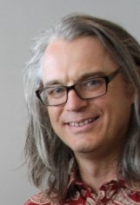
Dr Thomas Dixon headshot

Dr Tom Dixon is a Lecturer (Education Focused) in the School of Physics and a Nexus Fellow for Science. In the School of Physics, Tom's focus is on First Year education, principally laboratory education. At Nexus, Tom works on promoting inclusive teaching and on strategies to widen participation within Science - with a particular focus on students with Equitable Learning Plans (ELPs).


Dr Kate Jackson headshot

Dr Kate Jackson is an Education Focused Senior Lecturer and the First Year Director in the School of Physics, and the Interim Associate Dean, Academic Programs and Quality in the Faculty of Science. She is also a Senior Fellow of Advance HE (SFHEA). Kate is actively involved in initiatives to improve the student experience in first-year physics. Her research focuses on student motivation and equity in learning.

Check out all upcoming UNSW education events for further teaching and learning professional development opportunities.